
The only way to find inspected builders in the UK
- Vetted
- Inspected
- Monitored

Before you get going...
Preparation is the key to a successful building project. While many builders will be able to offer guidance on planning permission and building regulations, it is important that you have done your own research and are fully aware of your obligations.
The following pages will guide you to the right place to find out all the information you will need on planning legislation, building regulations, party walls and alterations to listed buildings.
It's time to pick someone
Finding a builder doesn't need to be difficult. Here are some handy hints for finding the right builder for your project. Remember to check that they are an FMB member with our handy check a member.

Tips for choosing
How to figure out which builder to pick, especially when they all look as good as each other!

Avoid getting led on
Check your builder is a Master Builder - some places claim to be a member when they're not.

If things go wrong
If things go wrong the FMB is here to help. We have high expectations of the way that our services to members and the public are delivered. On rare occasions, if those standards are not met, we have a formal procedure for dealing with complaints that makes sure we give them proper attention. We are certified by the Chartered Trading Institute to provide Alternative Dispute Resolution Services to FMB members and their clients. We also offer insurance.
Why use a Master Builder?
At the FMB, we connect clients with quality, local builders they can trust.
Master Builders are committed to high standards and their membership of the FMB must be earned. Members have to pass a professional vetting and independent inspection process before joining to ensure they meet the high standards expected of a Master Builder company.

Get inspired and dream big
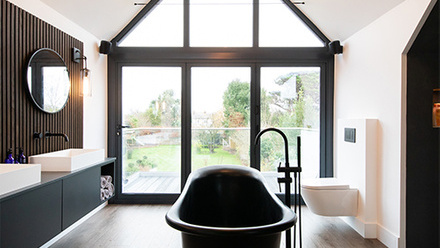
Whether you're looking for a beautiful bathroom or a quirky kitchen our articles will offer you all the inspiration you need to get started on your project.