
You might not have grown up thinking construction was for you. Yet today, 322,000* women are working in construction across the UK, and that number has grown by around 13% in the past five years alone.
Construction is not one job. It is hundreds of roles that shape the homes, schools and communities we all rely on. If you are practical, organised, good with people or enjoy solving problems, there could be a place for you.
This guide explains what different roles involve, how to get started and why beginning your career in a small to medium sized (SME) building business can offer real advantages.
* ONS data
What does a career in construction actually involve?
When people think of construction, they often picture hard hats and scaffolding. Those roles exist, but they are only part of the picture.
On the tools
These are skilled trades roles where you are physically building, installing or finishing work on site. For example:
- Bricklayers build walls, extensions and structural elements.
- Carpenters work on roofs, floors, doors and bespoke joinery.
- Plumbers install and maintain water and heating systems.
- Electricians wire and test electrical systems.
- Decorators carry out finishing work that brings a project together.
You might spend your day measuring, cutting, installing, checking plans and working as part of a small team. At the end of a project, you can see exactly what you have achieved.
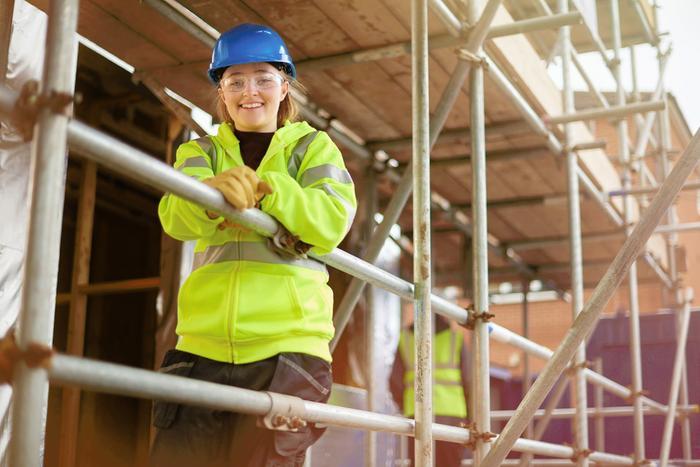
Site and project roles
If you prefer coordination and oversight, there are roles that focus on planning and managing work on site. For example:
- Site managers oversee projects and ensure work is completed safely and to a high standard.
- Quantity surveyors manage costs and budgets.
- Estimators price projects before work begins.
- Health and safety advisors help ensure safe working practices.
These roles combine technical knowledge with communication and organisation.

Office and business roles
Construction businesses also rely on a wide range of professional roles, including:
- Contracts management
- Finance
- Marketing
- Customer care
If you enjoy working with clients, analysing figures or organising processes, construction can offer opportunities beyond site work.
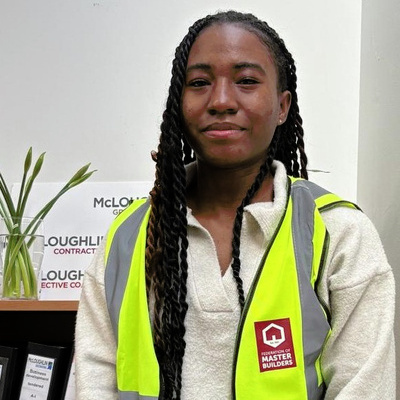
As cliche as it sounds, I love the community. The people here at McLoughlin are just an amazing opportunity – it's an amazing environment to be around. Speaking with so many different people across London and the Southeast has really helped me build my confidence.”
How can you get started?
There is more than one route into construction. The right one depends on your experience, qualifications and career goals.
Apprenticeships
Apprenticeships are one of the most popular routes into skilled trades.
- You earn while you learn.
- You combine site experience with college study.
- They are open to school leavers and career changers.
Many apprentices go on to become fully qualified tradespeople and, in time, supervisors or business owners.
You can explore apprenticeship opportunities through the government website or by contacting local colleges and employers directly.
College courses and T Levels
Colleges offer construction diplomas and trade-specific qualifications. These can:
- Prepare you for an apprenticeship.
- Lead directly to employment.
- Help you decide which trade or role suits you best.
T Levels in construction are another option for school leavers looking for a more technical route.
University routes
For some roles, such as construction management or quantity surveying, a university degree can be an advantage – setting you on a fast track to management or professional accreditation.
However, university is not the only route to a successful career. Many professionals progress through apprenticeships and practical experience.
Business Development Apprentice Lauren Daniel from FMB member company Mcloughlin Decorating Ltd said: ‘I'm the first person in my family to go down a construction route – everyone else are doctors or lawyers – and I love that because it stands out from the crowd and it's something I'm passionate about. I didn't want to go to university; I'm more of a hands-on person and I wanted to learn on the job.’
Changing career or retraining
Construction is not limited to school leavers. Many women enter the industry later in life.
If you are considering a career change, you could explore:
- Adult training courses
- Trade-specific short courses
- Skills bootcamps
- Funded retraining options available in some regions
You may already have transferable skills from other sectors, such as customer service, project management, finance or administration. These are highly valued in building businesses.
Why start in a small to medium sized building business?
Many construction careers begin in small and medium sized firms, including FMB members. Starting your career in this environment can offer distinct advantages.
- Broader experience from day one
In a smaller business, you are more likely to see the full lifecycle of a project. Rather than focusing on one narrow task, you gain insight into planning, problem solving, client communication and delivery. - Direct support and mentorship
Smaller teams often mean closer working relationships. You may work alongside experienced tradespeople or managers who can offer hands-on guidance and feedback. - Real responsibility earlier in your career
As your confidence and skills grow, you may be trusted with greater responsibility sooner than in a large organisation. - Strong team culture
Small building businesses depend on trust, communication and accountability. Being part of a close-knit team can provide a strong sense of belonging and shared purpose. - Making a difference locally
Many small firms work within their communities. You can see the impact of your work on local families and neighbourhoods.
FMB members are committed to raising standards in the industry and supporting professional development across their teams.
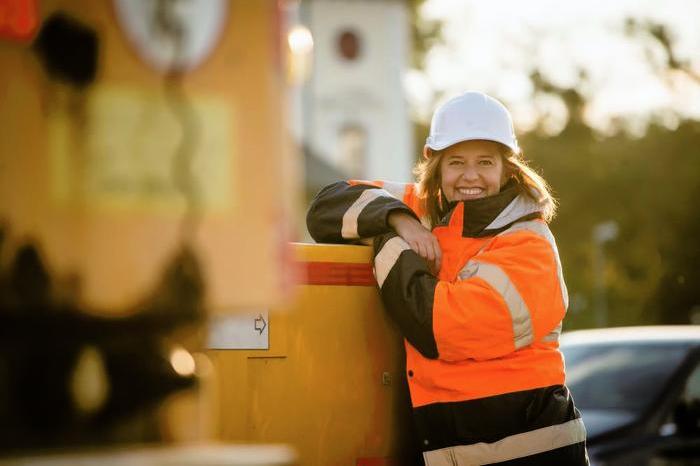
Breaking down barriers for women
Construction has historically been male-dominated, and women remain underrepresented in some trades and site roles. It is important to acknowledge that.
However, the picture is changing.
- The number of women working in construction has grown steadily.
- More businesses are focusing on inclusive workplace cultures.
- Facilities and personal protective equipment are improving.
- Female role models are becoming more visible across the sector.
Progress is ongoing. Many building businesses recognise that attracting and supporting talented women is essential to the future of the industry.
If you are interested in how employers are working to remove barriers and improve inclusion, you can read more in our resource on deconstructing barriers for women in construction.
What skills really matter?
Construction rewards capability, professionalism and pride in your work.
Skills that are valued across the industry include:
- Problem solving
- Attention to detail
- Communication
- Teamwork
- Organisation
- Reliability
You don't need to fit a stereotype to succeed. You need to be willing to learn, take responsibility and work to a high standard.
What could your career look like?
Getting started in construction is just the first step. Let’s see where it can take you.
You might:
- Start as an apprentice and become a qualified tradesperson.
- Progress from tradesperson to site supervisor or site manager.
- Move into estimating, project management or business leadership.
- Start your own building business.
Many successful business owners began their careers on the tools.
Construction offers the opportunity to build practical skills, earn recognised qualifications and create a career with long-term prospects.
Next steps: where to explore further
If you are considering a career in construction, there are plenty of trusted resources to help you explore your options and take the first step.
- Explore roles and career pathways on Go Construct, run by CITB in partnership with industry. You can learn about different jobs, entry routes and what qualifications you might need.
- Search live apprenticeships through the government’s Find an apprenticeship service. You can filter by location, level and employer.
- Review job profiles and skills requirements on the National Careers Service website, including information on progression and typical pay.
- Explore university and higher education routes through UCAS if you are considering construction management, surveying or other professional roles.
- Look into funded skills bootcamps in construction and engineering if you are aged 19 or over and considering retraining.
You could also:
- Speak to your local college about construction courses and open days.
- Contact trusted builders in your area to ask about work experience or apprenticeship opportunities.
- Attend local careers fairs or construction open events.
Construction offers a wide range of entry points. The most important step is the first one: exploring what could be possible for you.
FAQs women ask about getting into construction
Do I need previous experience to start a career in construction?
No. Many people start with no prior experience through an apprenticeship or entry level role. Employers expect you to learn on the job. If you are changing career, your existing skills such as communication, organisation or customer service can still be valuable.
Do I need strong maths skills?
You do not need to be a mathematician, but basic numeracy is important for measurements, materials and calculations. Most apprenticeships and courses include the maths support you need.
Is construction physically demanding?
Some roles are physically active, particularly on the tools. However, there are many roles that focus more on planning, coordination, design or administration. The industry includes a wide range of career paths to suit different strengths.
Am I too old to retrain in construction?
No. Construction is not age restricted. Many people retrain in their 30s, 40s or later. Adult courses, skills bootcamps and apprenticeships are available to support career changers.
What opportunities are there for progression?
Construction offers clear progression routes. You might start as an apprentice, become a qualified tradesperson, move into supervision or site management, or even start your own business. Many leaders in the industry began their careers on site.