
Backing the next generation of builders
At the Federation of Master Builders (FMB), we believe the future of construction depends on having skilled people where they are needed most, especially as demand for new homes, retrofit work and local infrastructure is rising. When builders can’t find enough trained and competent workers, projects slow down, costs rise, and the homes the UK urgently needs simply don’t get built.
Small and medium‑sized builders already lead the way with training, taking on most construction apprentices and maintaining high standards. But too often the skills system works against them. High costs, concerns about training quality and the risk of apprentices dropping out all make it harder for SMEs to invest in skills with confidence.
We’re campaigning to fix this. We want a skills and training system built around real SME needs - one that supports apprentices, raises competence, and prepares the workforce for modern construction, from core trades to green skills and retrofit.
This is not just about filling vacancies. It’s about quality, safety, and local jobs. It’s about ensuring the UK has the skilled and competent builders required to deliver safe, high‑quality homes now and in the future.
At a glance
1. The scale of the skills shortage is clear
Skills shortages are now widespread across construction. 61% of builders report a lack of skilled workers, with real consequences for delivery. Almost half of jobs are being delayed, and nearly a quarter are being cancelled altogether, limiting the industry’s ability to meet demand for homes and improvements.
2. Funding an apprenticeship can be expensive
Apprenticeship costs are holding back firms across the country, with SMEs in the North of England reporting 51% feel unable to take on apprentices due to cost pressures. More than a third of firms in the Midlands, London and the South have the same issue.
3. SMEs face real barriers to taking on apprentices
Apprenticeship uptake is being slowed by a range of barriers. 51% of builders say quality concerns are preventing them taking on apprentices, while cost-related apprehensions, fear of dropouts, and administrative red tape also worry more than a third of SMEs.
4. Key trades are in short supply
Skills shortages are biting hardest in key trades, with many small builders unable to find the people they need to keep projects moving. Carpenters, roofers and plumbers are among the hardest to recruit, making it even tougher for SMEs to deliver work on time and meet rising demand.
5. Skills for innovation are missing
Around 60% of builders report difficulty finding staff with the new technology skills needed for innovation, and many also struggle to recruit people with knowledge of the building safety regime. Similar challenges are emerging in hiring those with modern sustainable construction expertise or other technical skills essential for business development.
Statistics from the FMB State of Trade Survey H1 2025 and the FMB Small House Builders' Survey 2025.
What builders are experiencing on the ground
Small and medium-sized builders tell us that skills shortages are creating real pressure on their businesses.
Builders report:
- Delaying or turning down work they would otherwise take on.
- Stretching existing teams, increasing stress and burnout.
- Difficulty planning ahead or investing in growth.
- Wanting to take on apprentices but worried about cost, quality and retention.
This is not a lack of commitment to training. It is the result of a system that places risk on individual small firms rather than supporting them to train well.
Why small and medium-sized builders matter
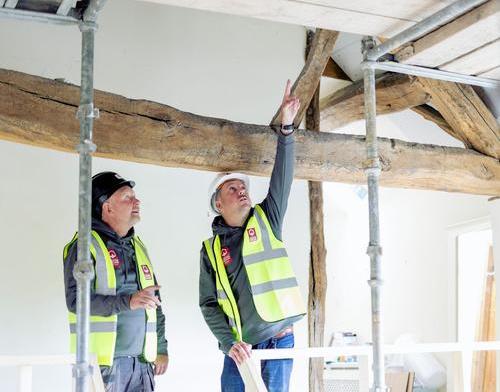
Boosting skills strengthens the whole construction industry. It gives builders the people they need to deliver high‑quality work, helps small firms grow with confidence, and prepares the workforce for the homes, retrofit demand, and building challenges of tomorrow. When we invest in skills, we raise standards across the board.
- SME builders train most of the industry, yet the current skills system often overlooks the way real SME building work is carried out. When apprenticeships don’t reflect on‑site reality, small firms face higher costs, greater risk, and inconsistent training outcomes.
- Local builders feel the consequences first: when workloads rise, having too few skilled people on site means delays, extra pressure on small teams, and reduced capacity to serve their communities.
- Clear and consistent competence standards give SMEs confidence that training will produce capable, safe workers - raising quality across the industry and helping good builders stand out.
- Modern apprenticeship routes designed around SME building work create a steady pipeline of talent, rather than forcing small firms to navigate fragmented or outdated training models.
- Better‑aligned training supports retention, helping SMEs attract and keep good people in a competitive labour market and build stable, long‑term teams.
- With the right skills system, small firms can plan ahead, take on more projects, and invest in new technologies that future‑proof their businesses.
- The FMB is calling for a skills system that finally works for SMEs - one that reflects real‑world construction, lifts standards, and strengthens the local builders who train the workforce our industry depends on.
What the FMB is calling for
Builders are ready and willing to train the next generation. What they need is a skills and training system that supports them - not one that makes it harder.
At the FMB, we’re calling on government and industry to fix the construction skills system so it actually works for SME builders, and so it delivers the high‑quality, competent workforce the country needs.
Here's what needs to change:
- A long‑term construction skills plan
Small builders need the confidence to invest in training and grow their workforce, not short‑term schemes that change every year. - Clear competence standards for modern, green and retrofit work
Builders should be able to train to the right standard, and consumers should be able to trust the quality and safety of the work delivered. - Approved and funded General Builder Apprenticeship standards
Training must reflect real SME building work, not fragmented or outdated trade roles that don’t match how small firms operate. - Targeted support for SMEs taking on apprentices
Small firms shouldn’t carry all the cost and risk of training. Support must be simple, fair, and designed with SMEs in mind. - High‑quality, accessible training across the UK
Builders should be able to find the right training where they live and work — not face long travel, limited availability, or courses that don’t reflect modern construction.
Build Academy: Building Construction Careers
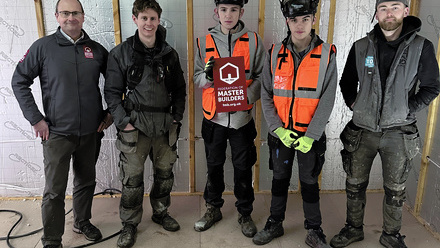
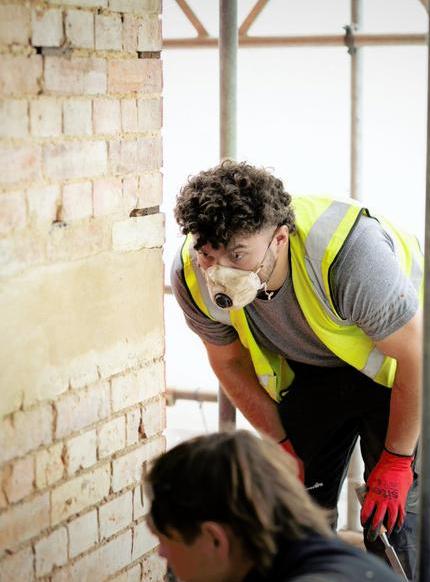
The Build Academy is a new pilot project we've built from the ground up, in partnership with the Construction Industry Training Board (CITB), and Shooters Hill Sixth Form College. Together, we’re testing a practical, SME‑focused way of getting young people genuinely ready for work in construction.
The 12‑month programme is designed to get learners site‑ready from day one. It gives local young people the hands‑on skills, health and safety knowledge and real‑world confidence they need to step onto a live site and make an impact with a small builder.
The curriculum has been built with FMB members to make sure it reflects the reality of SME construction — the mix of tasks, the standards expected, and the breadth of skills builders rely on. An experienced construction tutor leads the course, and FMB members deliver masterclasses and practical demonstrations throughout the year.
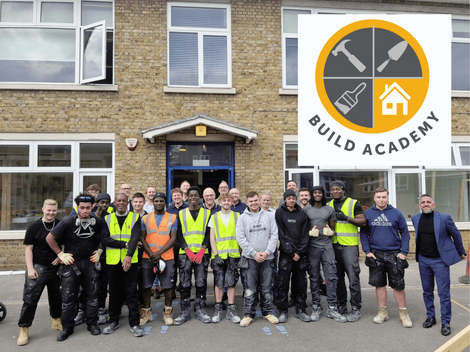
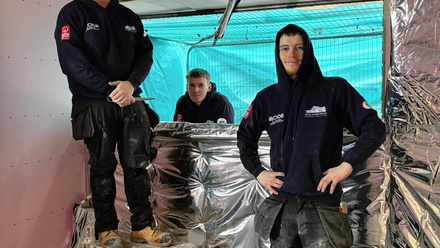
Every learner also goes on a work placement with an FMB member, with the goal of all 20 participants moving into full‑time employment as apprentices. Placements have already started, and several learners have progressed straight into full‑time apprenticeships with SME builders.
How FMB members can shape training and apprenticeships
At the FMB, we don’t just campaign on skills and training, we help shape how it works in practice.
Our FMB Training Group brings together members involved in training and standards to influence policy and ensure the SME builder voice is heard in national skills discussions.
Alongside this, the Trailblazer Group for General Building Apprenticeships is helping design modern apprenticeship routes that reflect real SME building work, giving builders confidence that training leads to competent, capable workers.
Together, these groups support practical improvements to skills, training and apprenticeships across construction.
Find out more about the FMB’s groups and committees and how you can get involved.
Latest updates